We absolutely loved this fishery restaurant during our 3-day stay on Jeju Island — so much that we came back twice! The fish here is incredibly fresh, prepared straight from the aquarium tanks, and every dish was packed with flavor. The owner kindly showed us how to assemble their signature mackerel wrap with their delicious house-made sauce — such a fun and tasty experience! The hosts were also very warm and welcoming, even surprising us with an extra pancake at no charge. We highly recommend trying all the dishes here — everything we ordered was amazing. A truly authentic and memorable Jeju dining experience!
Overview
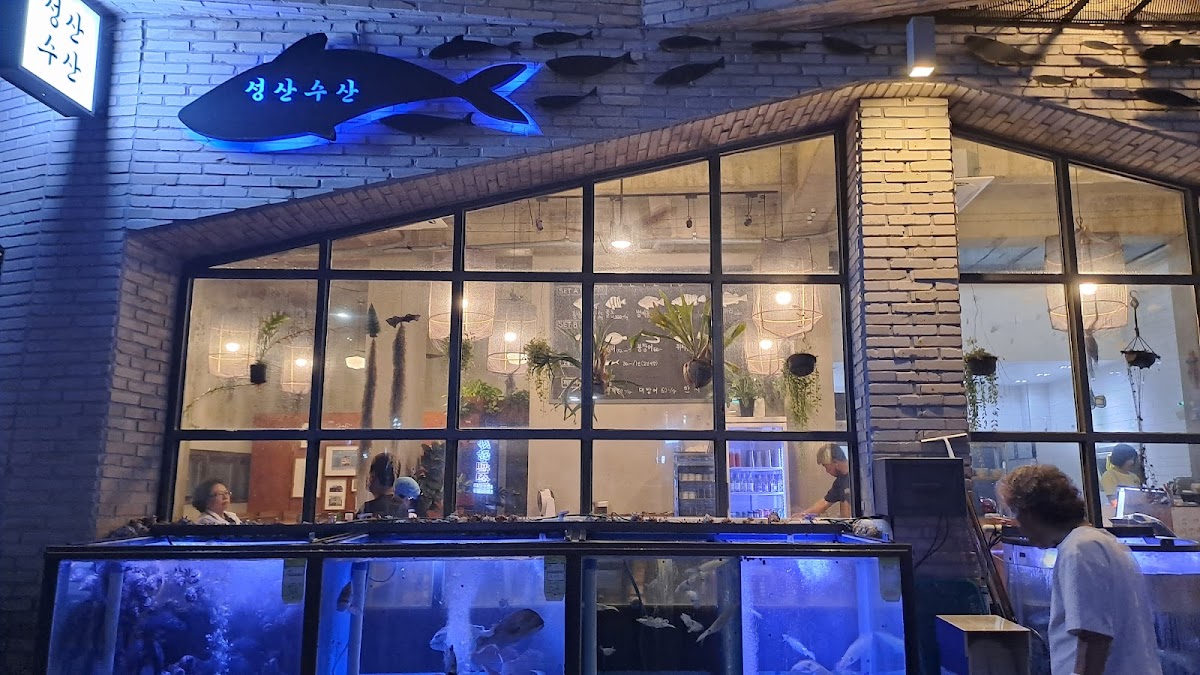
What immediately stands out is how closely the kitchen works with nearby fisheries. Jeju is known for producing over 50% of South Korea’s wild-caught hairtail and a significant share of its abalone, according to data from the Korean Ministry of Oceans and Fisheries. That connection isn’t just trivia here; it shapes every dish. Tanks line the walls with live seafood, and the staff casually point out what arrived that morning. This is sea to table in the most literal sense, not a marketing phrase but a daily process.
The menu leans heavily into raw and simply prepared seafood, which takes confidence. There’s sliced raw flounder served with sesame oil and sea salt, grilled mackerel that arrives blistered and smoky, and a rotating catch of the day that depends on weather and tides. On one visit, the highlight was abalone porridge, slow-cooked until creamy but still tasting unmistakably of the ocean. The preparation reflects a technique widely recommended by Korean culinary institutes: minimal seasoning to preserve the natural umami of ultra-fresh seafood.
From an expertise standpoint, the way fish is handled here matters. According to research published by the National Institute of Fisheries Science in Korea, ikejime-style processing and immediate chilling can significantly improve texture and shelf life. While the restaurant doesn’t advertise techniques, you can taste the difference. The sashimi is firm, clean, and never watery, which tells you the fish hasn’t been sitting around.
Reviews from both locals and repeat visitors tend to mention consistency. That’s something I noticed too. I came back months later with a friend who works in hospitality, and the experience barely changed. Same calm service, same straightforward plating, same focus on freshness over flair. In an industry where menus can drift toward trends, that restraint feels intentional. Chefs here seem guided by long-standing coastal cooking traditions rather than social media aesthetics, echoing principles taught by organizations like the Korean Food Promotion Institute.
Location plays a big role in the overall experience. Being near the harbor means the restaurant attracts fishermen grabbing lunch alongside travelers hunting for authentic Jeju cuisine. That mix keeps things grounded. There’s no pressure to upsell or rush tables; dishes come out when they’re ready. Still, there are limitations worth noting. During peak hours, especially weekends, popular items can sell out early. If you’re set on a specific fish, arriving before noon is a smart move.
Trust builds quickly in places like this because nothing feels hidden. Prices are clearly listed, staff explain unfamiliar items without attitude, and portions match expectations. While the space isn’t fancy and parking can be tight, those minor gaps are part of what makes the place believable rather than staged. For anyone interested in understanding Jeju’s seafood culture through taste instead of theory, this diner-style restaurant offers a reliable, deeply local snapshot, shaped by the ocean, the day’s catch, and decades of shared know-how.
Good to know
Service options
✓ Dine-in ✓ DeliveryPopular for
✓ Lunch ✓ DinnerAccessibility
✓ Wheelchair-accessible seatingOfferings
✓ Alcohol ✓ BeerDining options
✓ Lunch ✓ Dinner ✓ Table serviceAmenities
✓ ToiletAtmosphere
✓ CasualCrowd
✓ Groups ✓ TouristsPlanning
✓ Accepts reservationsPayments
✓ Credit cards ✓ Debit cards ✓ NFC mobile paymentsParking
✓ Free of charge street parking ✓ ParkingPhotos
1 / 4
Location
Reviews
- No ratings yet 253 reviews
We ate at this restaurant near Seongsan Ilchulbong, and it was a wonderful discovery — both for the dish and the place itself. The owner was incredibly welcoming to foreigners like us. He kindly showed us, with a simple and friendly demonstration, how to enjoy 고등어회정식 (Godeungeo-hoe Jeongsik) — fresh, fatty mackerel sashimi wraps — like a true Jeju local. On top of that, he even offered us a small set of 도미회 (domi-hoe, sea bream sashimi) as service — such a luxurious treat! We got to experience not only amazing food but also the warmth and hospitality of a wonderful Jeju Islander.
Loved this place...coming in out of the rain storm. They were so nice and polite to us. The food and everything was magnificent. Please come and enjoy good seafood!!
Excellent food. Food is so fresh you watch the chef pick the fish out of the saltwater tanks and filet them. Amazing. Staff is so nice and helpful.
Great fish restaurant, especially loved the taste of the raw mackerel and the seafood pancake. The fish soup is delicious with a peppery taste and a sweet, milky taste from the fish broth. The owner had a great vibe and insisted on teaching us how to eat the different fish we ordered. He also invited us to catch our fish!
The food was superb, especially the grilled mackerel! The owner even teaches you how to catch the fish yourself from the display tank! Honestly the hospitality of the owner takes the cake, even with language barrier and all (us not speaking a word of Korean), the owner would patiently teach us the proper way of eating Korean sashimi and hosted us warmly throughout our meal there!
Boss willing to teach you the correct way to eat raw fish
Really fresh product: Fish alive 5min before going to your plate. Outstanding service: Perfect explanation about how to combine different fish with each dressing. Very recommended nice restaurant.